Organized by the International Education College (IEC), the achievement presentation of the “AI Empowerment · Bridging China and the Globe” Sino‑Foreign Students Cross‑Cultural AI Science & Technology Innovation Summer Camp was successfully held on September 5, 2026. Around 40 Sino‑foreign participants presented group project demonstrations. An industry‑technology expert provided thorough item‑by‑item comments and guidance via an online video link.

Over the seven‑day camp, a series of pre‑event practical activities formed a complete practice loop of "Learning‑Field‑Research‑Practice‑Creation". After opening‑session cross‑cultural training and mixed‑team formation, students visited iFLYTEK Liaoning Branch and experienced domestic AI achievements including the Spark Large Model and multilingual translation tools. Later, at the AI‑Agent workshop hosted by Seentao Technology, participants received instruction from senior engineer Zhang Yan. They learned AI‑Agent theories and full‑stack development, completing hands‑on work including prompt configuration and knowledge‑base upload.

Intensive project development followed the workshop. Participants of various nationalities held group discussions, sorted out user requirements, polished concepts and tweaked prototypes drawing on diverse academic and cultural perspectives. They resolved technical obstacles through online Q&A and iterated projects via face‑to‑face collaboration.

Drawing on real‑life study‑and‑living needs and cross‑cultural scenarios for international learners in China, Sino‑foreign teams developed multiple locally‑deployed AI‑agent prototypes with executable code. These projects focused on campus services, cross‑cultural adaptation and healthcare support; several groups produced multiple agent solutions. At the presentation session, students illustrated design logic, technical frameworks and application scenarios with PPT and agent screen‑recording demos. They also submitted full process‑related documents: cross‑cultural research reports, group discussion records and daily cross‑cultural reflective journals, demonstrating field‑study insights and multicultural thinking.
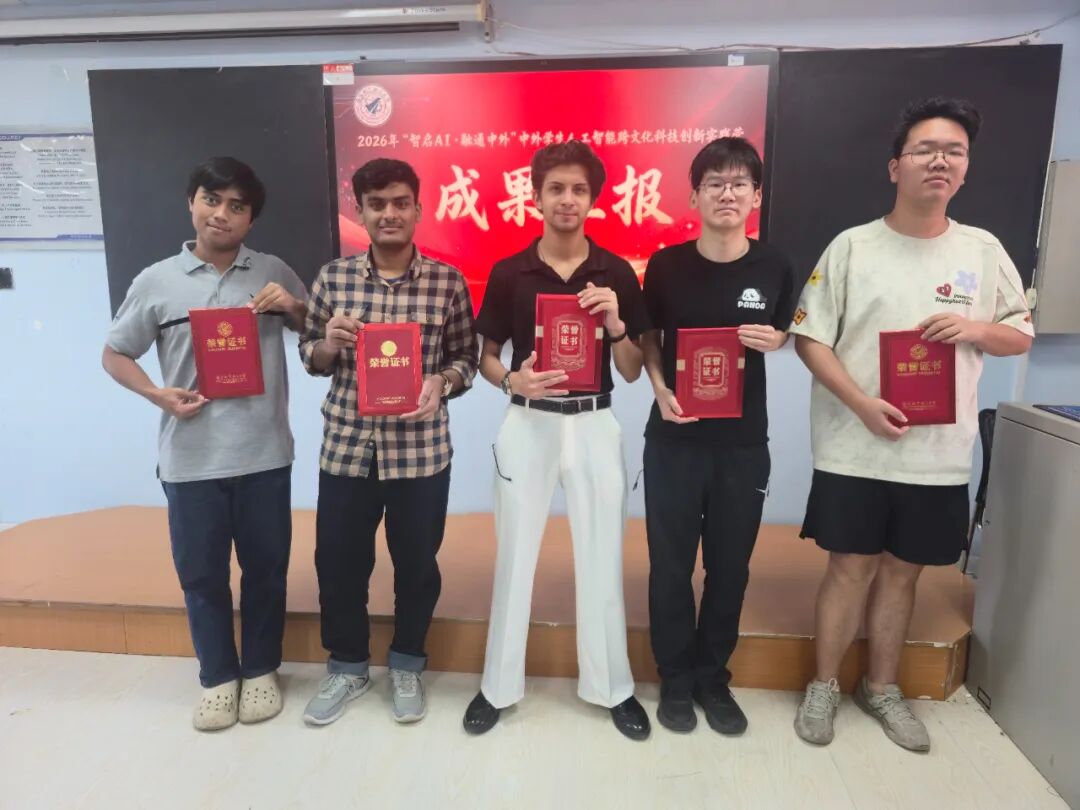
The industry‑technology expert spoke highly of the teams’ collaborative outputs and offered four recommendations: enhanced engineering‑oriented design, stronger alignment with real‑world needs, higher practical application value, and improved presentation capabilities. Participants took notes and interacted with the judge to clarify directions for future iterations.
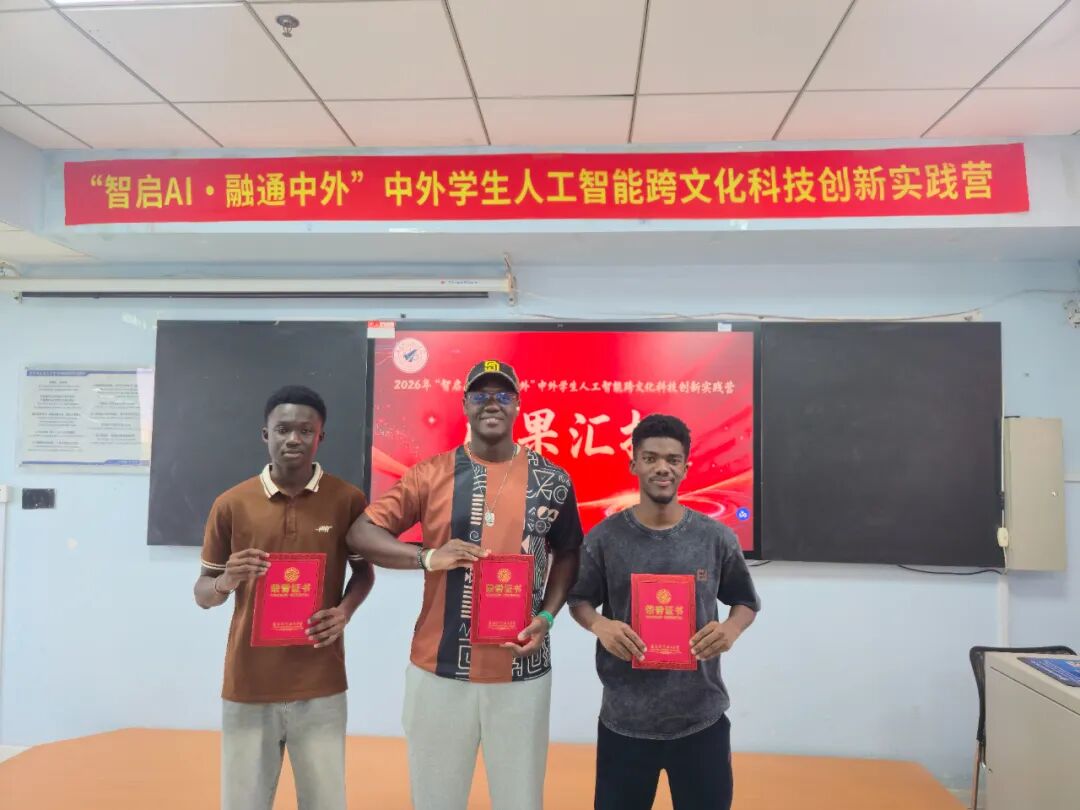
A participant shared, “This presentation marks more than the end of the summer camp. Targeted feedback has helped us recognize our strengths and gaps, and deepened my understanding of the integration between artificial intelligence and cross‑cultural communication.”
As a key practical initiative of IEC’s cross‑cultural education, this camp has fostered young participants’ interdisciplinary innovation, cross‑border cooperation and global competence, while deepening international youths’ understanding of China. Going forward, IEC will continue to build practice platforms combining AI and cross‑cultural exchange to nurture innovative talents with global vision and sound cross‑cultural competence.