In Shenyang Aerospace University, a group of international students from the International Education College (IEC) combined 3D printing with traditional Chinese shadow puppetry at the Engineering Training Center in March intake. They deeply admired traditional Chinese culture and literary classics, and turned their affection for Journey to the West into creative 3D-printed works, bringing the classic tale into the digital age.
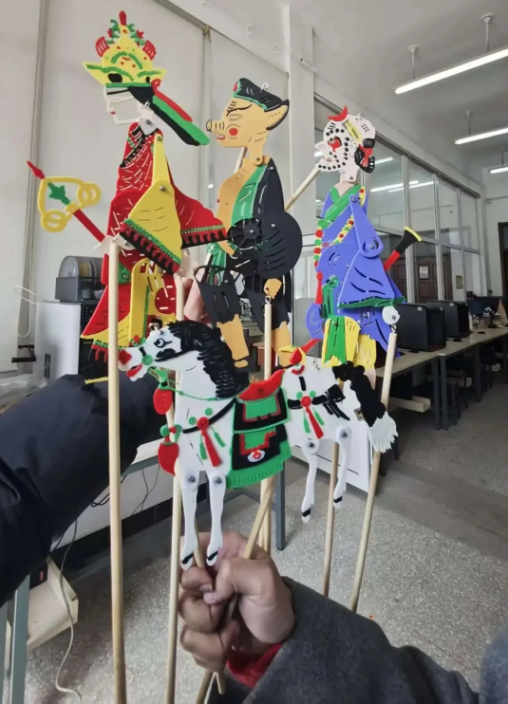
Journey to the West, a famous classical novel written by Wu Cheng’en, tells the story of Monk Tang Sanzang and his journey to India to obtain sacred Buddhist scriptures. He is accompanied by three disciples: Sun Wukong, Zhu Bajie and Sha Wujing. Together, they overcome numerous difficulties and demons along the way.
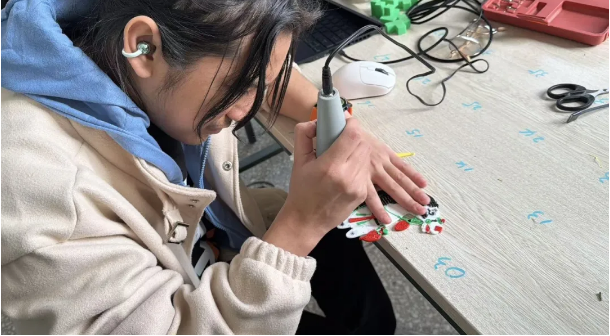
Held at the Yifu Building, the project challenged students to recreate these classic characters with digital tools and 3D printers. Guided by Ms. Yang Jingting, the activity aimed to show that tradition and innovation can coexist harmoniously.

The creation process was not easy. The biggest challenge lay in the delicate details of the characters, including facial features and costume patterns. Students encountered repeated printing failures, and most models needed to be revised and reprinted many times to achieve the required precision.
“Sometimes the smallest details caused the biggest problems,” one student said. “We had to try again and again until we got the perfect result.”
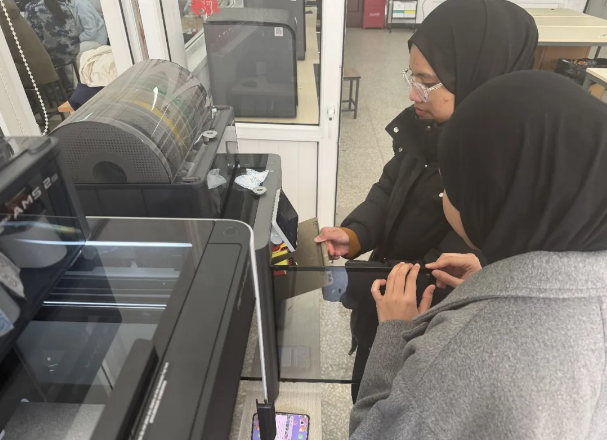
Through continuous efforts, the students completed the creation. They first made digital designs in Figma, turned their ideas into models with Bambu Studio and PLA 3D printing, and then finished the puppets after careful post-processing and assembly.
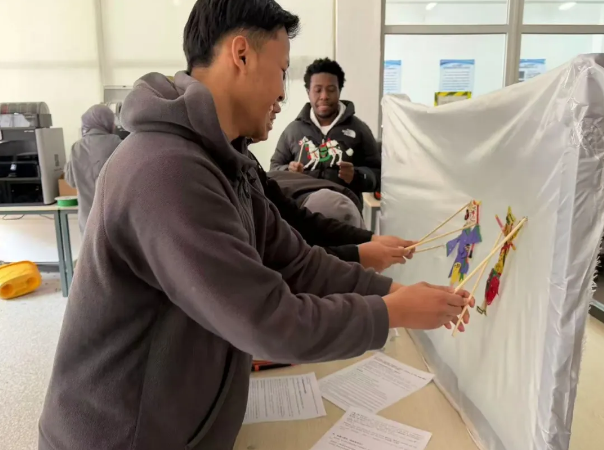
In the final shadow play performance, these 3D-printed puppets showed vivid and dynamic silhouettes, inheriting the charm of traditional Chinese shadow puppetry with a centuries-old history.
Beyond technical skills, the international students were full of admiration for the charm of traditional Chinese culture and gained a deeper understanding of Chinese cultural heritage through this project. They realized that shadow puppetry is not only a form of entertainment, but also a traditional art with rich historical and cultural value.
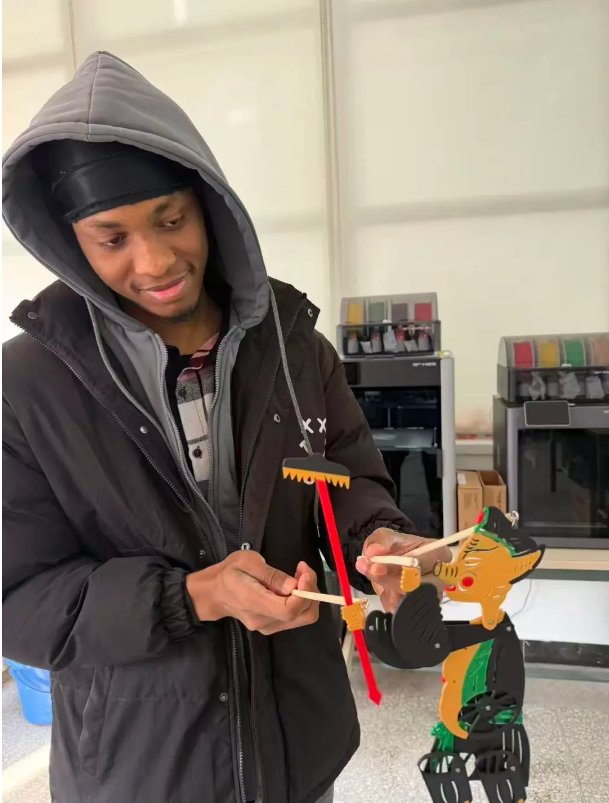
“The profoundness of Chinese culture amazes us greatly. Through 3D printing, we can preserve traditional art and connect it with younger generations,” one participant said.
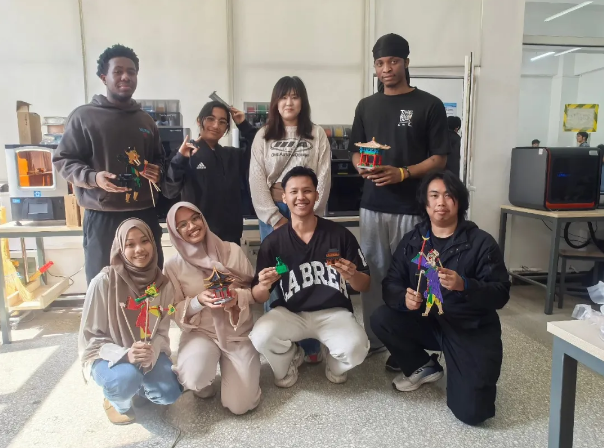
At the end of the project, the team put forward plans for further innovation, including better materials, more advanced software and better visual designs. Their work showed that traditional culture can be revitalized by modern technology in the digital age.