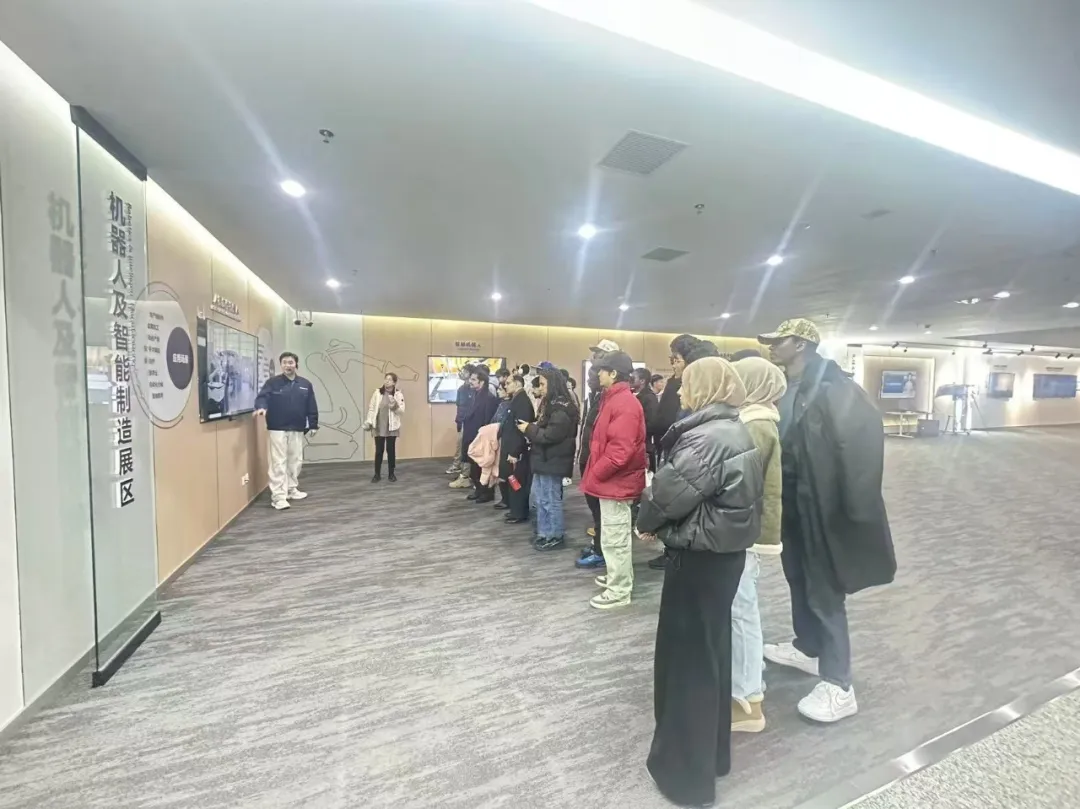
On November 28, 2025, a group of Chinese and international students from the International Education College (IEC) embarked on an immersive learning journey at Shenyang SIASUN Robot & Automation Co., Ltd., a national robotics industry base and a leader in smart manufacturing. The itinerary integrated exhibition visits and hands-on technical experiences, offering an up-close glimpse of China’s intelligent manufacturing strength and the practice of industry-education integration.
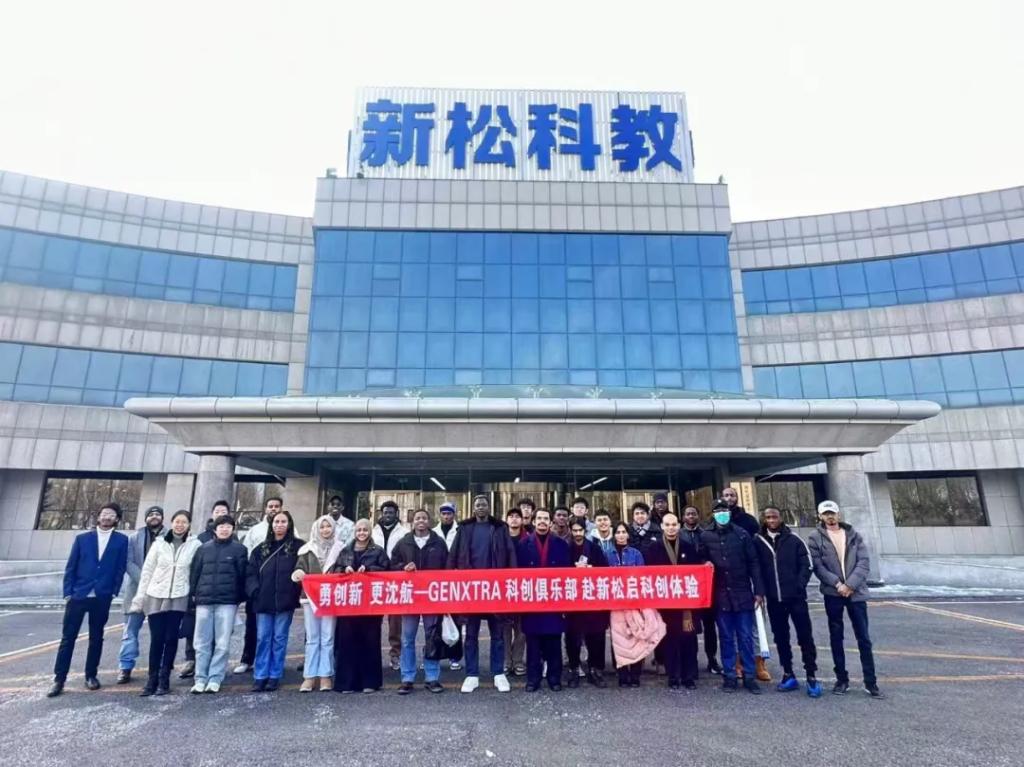
The visit kicked off with a tour of SIASUN’s Digital Exhibition Hall and the Liaoning Provincial Industry-Education Integration Demonstration Base. Guided by professionals, students explored cutting-edge exhibits including collaborative robots co-developed with Germany’s Fraunhofer Institute for Factory Operation and Automation (IFF), digital twin systems, and intelligent welding workstations—gaining vivid insights into SIASUN’s “full industrial value chain” layout and the deep synergy between education and industry.
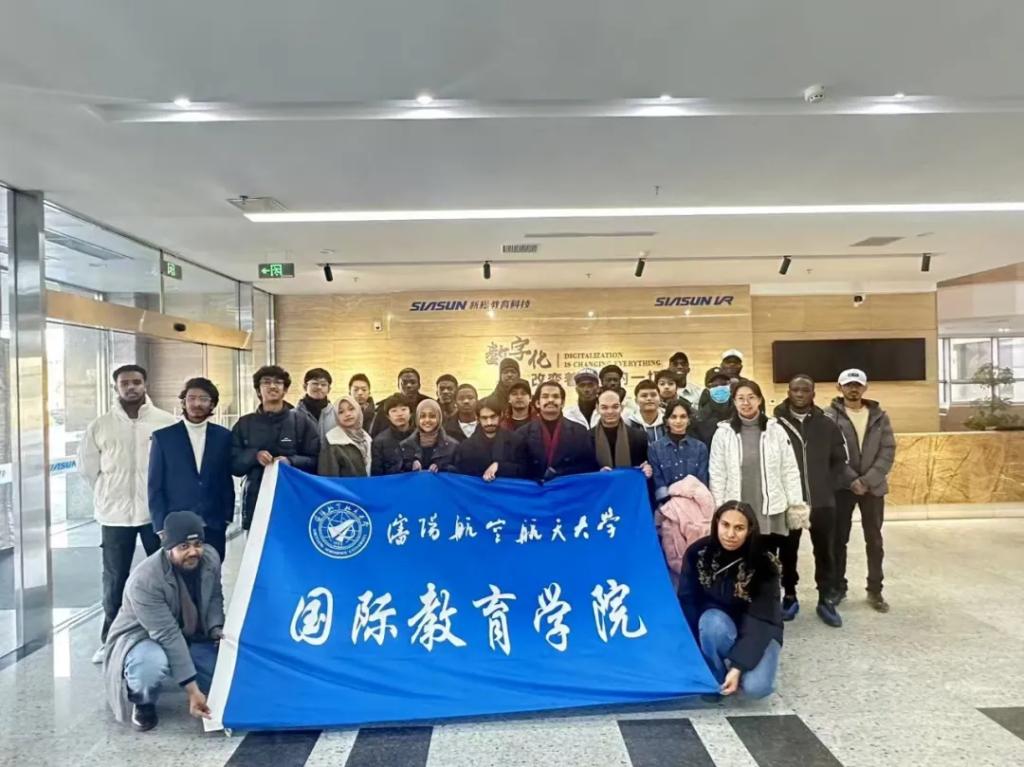
The highlight came with the AR/VR digital equipment experience, powered by core technologies including digital twin-driven virtual-physical integration and real-time motion tracking. These technologies enabled seamless mapping of physical workstations to virtual smart factory scenarios, supporting intuitive gesture-based interaction without complex controllers.
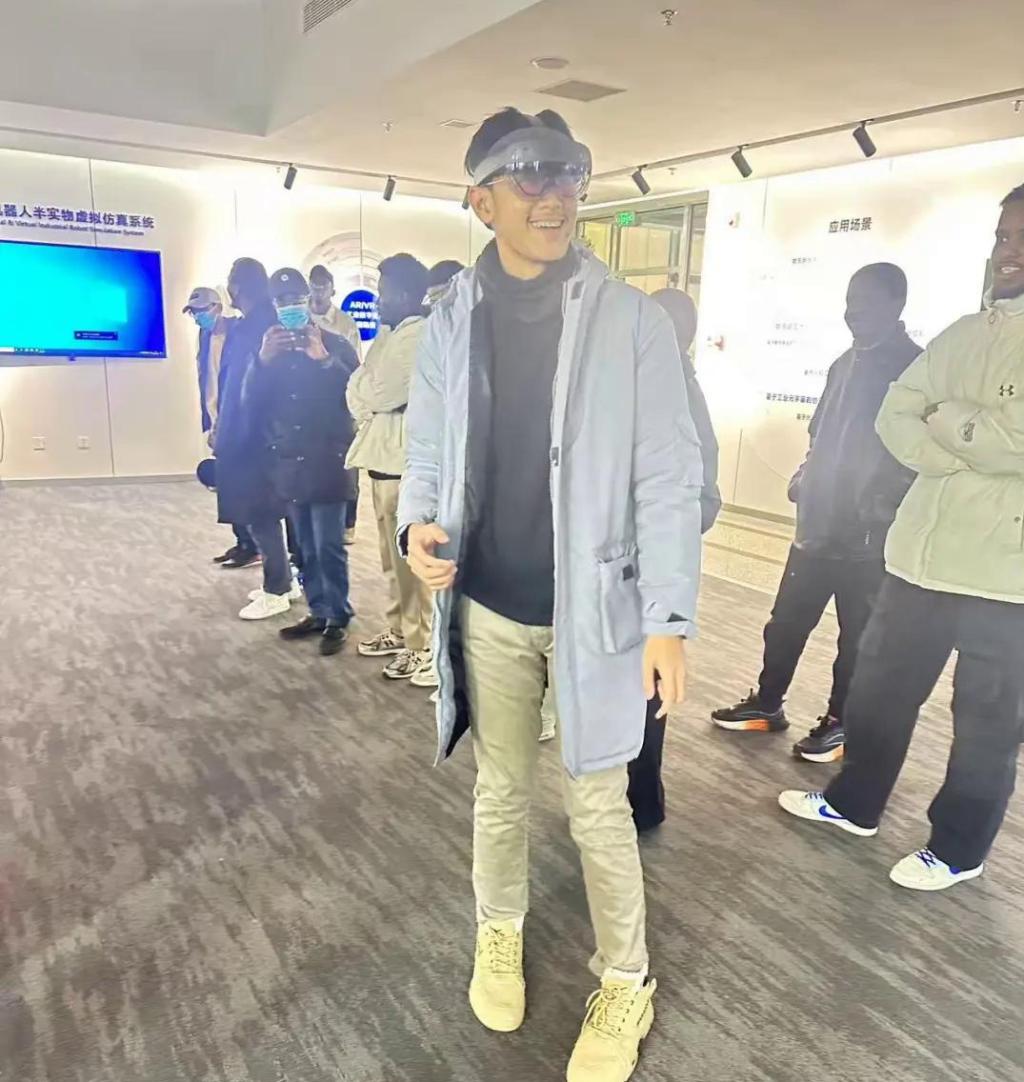
Donning professional headsets, Chinese and international students were instantly immersed—manipulating virtual robot arms with simple hand movements, watching as virtual operations synced with physical equipment in real time. They leaned in to discuss adjustments, cheered softly when achieving precise virtual assembly, and lined up eagerly for repeated attempts, their faces lighting up with curiosity and excitement. The risk-free, highly interactive experience turned abstract industrial technologies into vivid, engaging learning, leaving them with a fresh appreciation for smart manufacturing innovation.
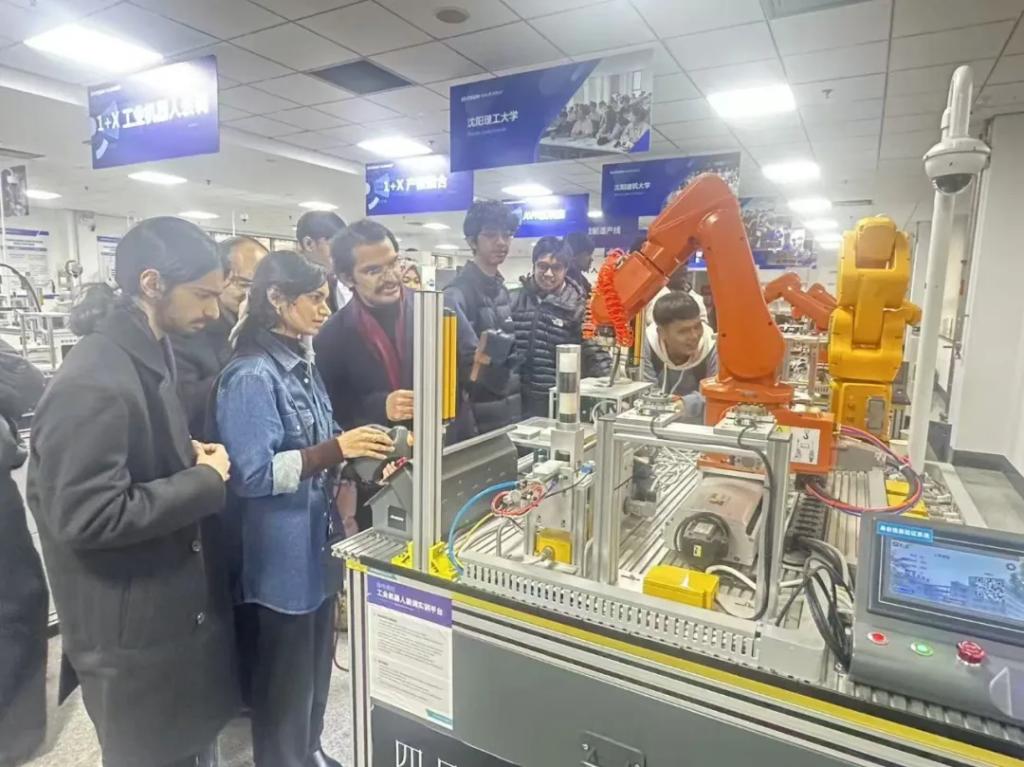
Students also threw themselves into industrial robot case palletizing training. Gathered around smart factory simulation workstations, they leaned in intently, eyes locked on the robot arms and material blocks. Taking turns at the control panels, they tapped buttons to set parameters and guided the robot with joysticks—watching closely as it grabbed each block accurately. Collaborating to plan the stacking order, they directed the machine to place blocks neatly on the pallet. Chinese and international students chattered over quick adjustments, grinned when placements went smoothly, and tweaked instructions for minor offsets. Immersed in the realistic workflow from grabbing to stacking, their faces lit up with excitement as hands-on operation turned into tangible results.
This activity strengthened the link between campuses and enterprises, narrowing the gap between talent training and industrial needs. As a core co-constructor of national “double-qualified” teacher training bases, SIASUN’s industry-education integration model not only broadened students’ technological horizons but also promoted international communication—inspiring them to explore innovations at the intersection of technology and global collaboration.